Roofs on large new buildings are increasingly being treated as regulated energy and water infrastructure. The first solar deadline under the European Union’s recast buildings directive falls on December 31, 2026, and Toronto has required green roofs on large developments under a bylaw adopted in 2009.
Both kinds of rule push the same questions toward the start of a project: how much roof area is available, what load the structure must carry, and how equipment, planting and drainage will share the space.
The EU solar timetable
Directive (EU) 2024/1275 on the energy performance of buildings requires member states to ensure that all new buildings are designed to optimize their solar generation potential. Article 10 then sets staged deadlines for deploying suitable solar installations, where technically suitable and economically and functionally feasible:
- December 31, 2026: all new public and non-residential buildings with useful floor area above 250 m².
- December 31, 2027: existing public buildings above 2,000 m², and existing non-residential buildings above 500 m² when they undergo a major renovation or permitted renovation, roof or technical system work.
- December 31, 2028: existing public buildings above 750 m².
- December 31, 2029: all new residential buildings and all new roofed car parks physically adjacent to buildings.
- December 31, 2030: existing public buildings above 250 m².
Each member state must publish national criteria for applying these obligations, including possible exemptions, so the practical requirement will differ by country.
Toronto’s graduated green roof rule
The City of Toronto Green Roof Bylaw, adopted by City Council in May 2009, scales with building size. For residential, commercial and institutional development, required coverage rises from 20% of available roof space at 2,000 to 4,999 m² of gross floor area to 60% at 20,000 m² or more. Residential buildings under six stories or 20 m in height are exempt.
Industrial buildings of 2,000 m² or more can provide a green roof over the lesser of 10% of available roof space or 2,000 m², or use cool roofing materials across all available roof space while meeting stormwater requirements. Applicants can seek approval for a smaller green roof by making a cash-in-lieu payment of $200 per square meter of reduced area, which goes to the city’s Eco-Roof Incentive Program.
What the roofs deliver
The US Environmental Protection Agency (EPA) says green roof surfaces can be 56°F cooler than conventional roofs and that green roofs can reduce the cooling load by 70%. It says extensive and intensive green roofs can reduce stormwater runoff by 60 to 100 percent, respectively, with results depending on rainfall patterns.
The two types differ sharply in cost and structure. Extensive roofs use hardy plants in two to four inches of growing medium and need the least added support. Intensive roofs can function as accessible parks and need more. EPA says a simple extensive roof without public access could cost as little as one-tenth to one-third as much as an intensive roof built for public use.
A 2011 US General Services Administration (GSA) study estimated a green roof payback of about 6.2 years nationally, based on 50-year average annual savings. It put average life expectancy at 40 years, against 17 for a conventional roof.
Solar and planting on one roof
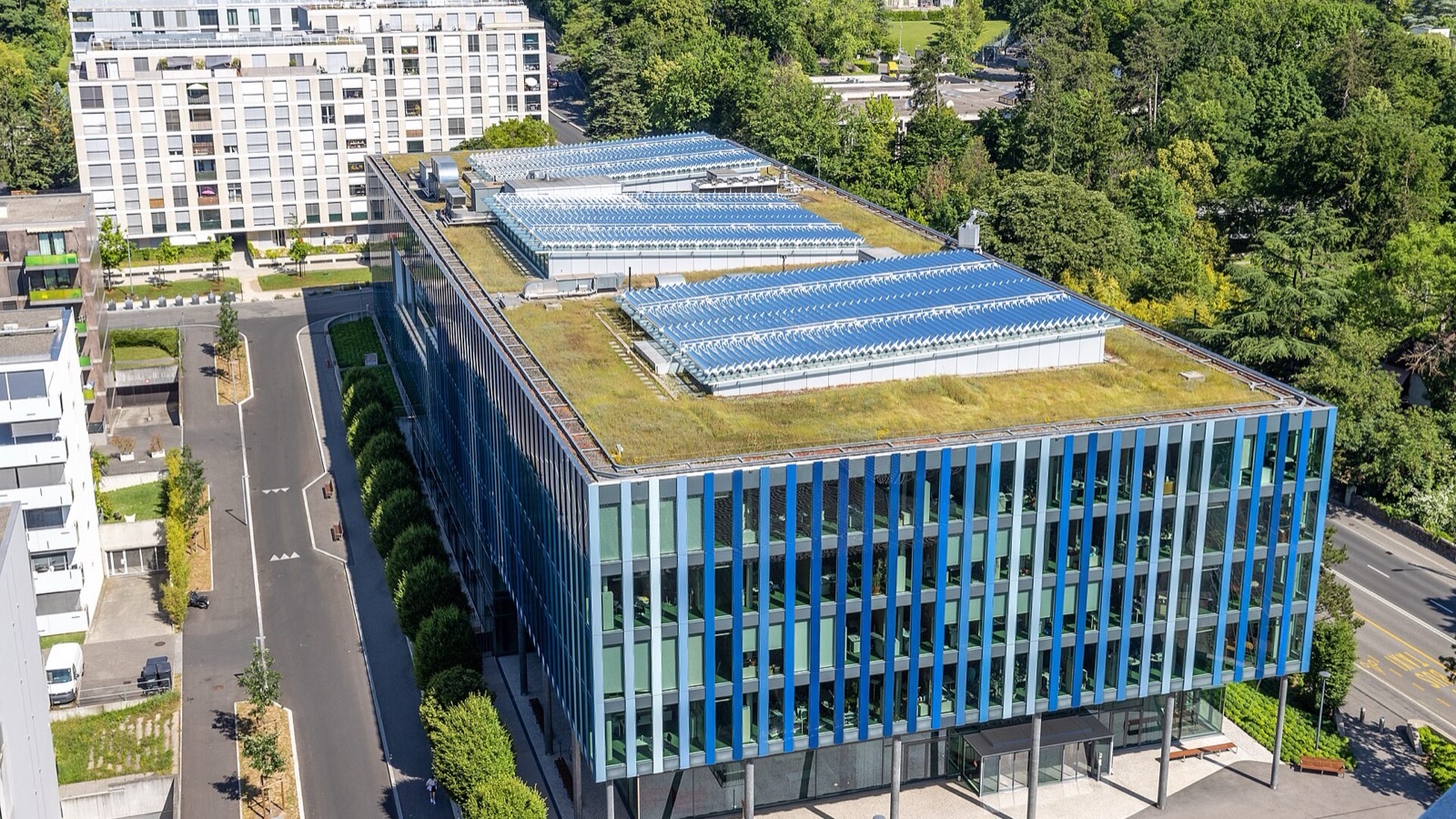
The two systems can share a roof. The GSA report noted that solar panel voltage falls as temperature rises, so panels on a cooler green roof can produce more power, and it cited observed output gains of up to 6% in Berlin and in Portland, Oregon. It also listed the interaction between green roofs and solar panels as an area needing further research.
The pairing also features in construction-sector commentary. The news page on the website of Mustafa Egemen Sener lists items on green roofs, solar panels and renewable energy alongside articles on construction and urban renewal.
Why it matters
For owners and design teams in the EU, solar feasibility becomes a question to answer early, because the first obligation covers new public and non-residential buildings above 250 m². Where a green roof is also required or planned, the structural load, waterproofing and layout of panels and planting need to be settled together.
For contractors, the GSA report identifies the main practical risks: making sure the building can support the roof, quality installation and leak prevention, ongoing maintenance and plant loss. Adding solar to the same roof brings electrical work into that coordination.
The caveats
The EPA figures describe what green roofs can achieve rather than typical results, and stormwater performance varies with rainfall. The GSA analysis dates from 2011 and should not be applied to current budgets without fresh pricing. National EU criteria and exemptions will determine how far Article 10 reaches in each country.