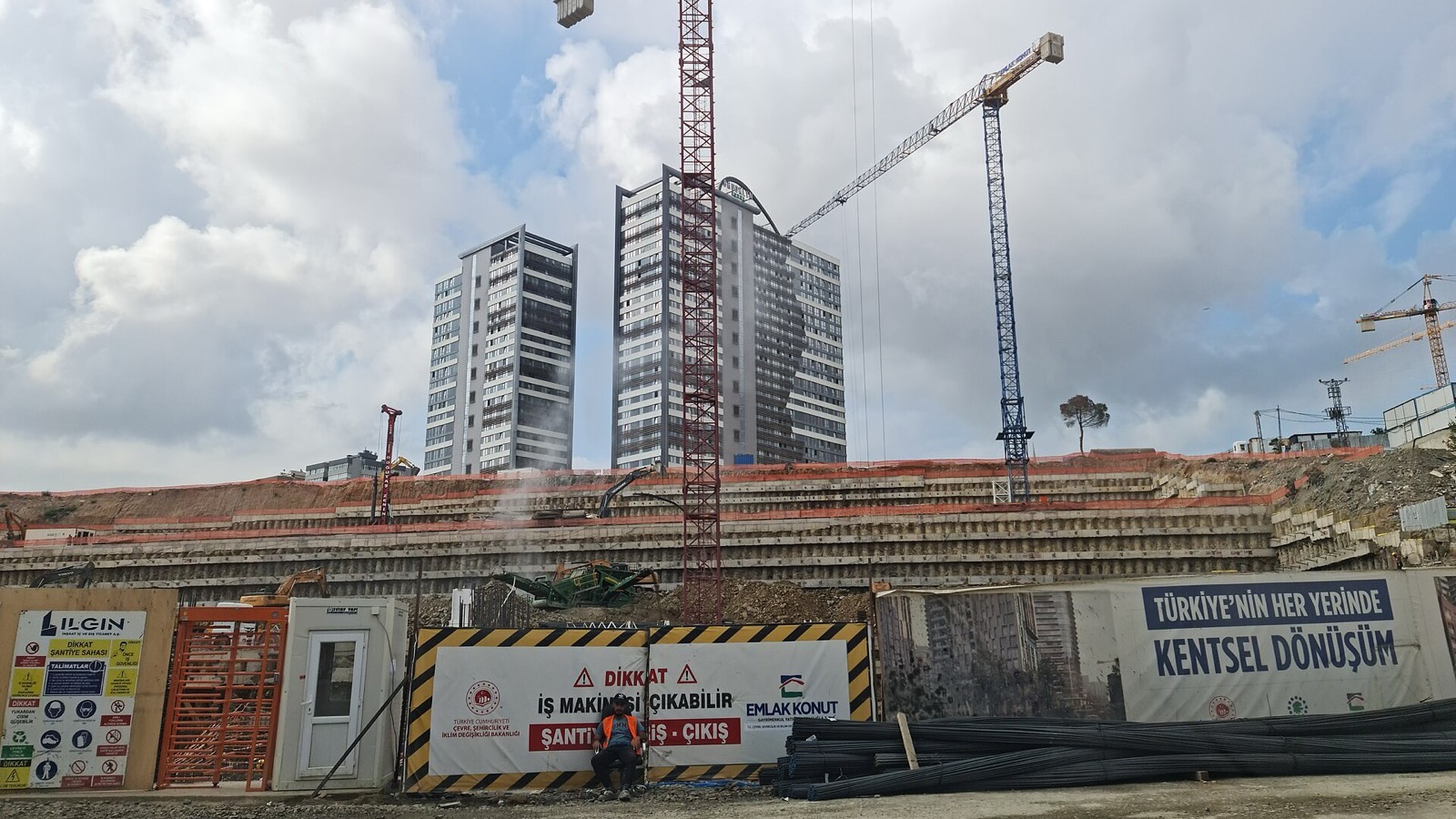
Türkiye’s main legal tool for replacing housing that may not survive a major earthquake is Law No. 6306, a 2012 statute that was amended in November 2023, nine months after the February earthquakes. In Istanbul alone, 1.27 million homes and workplaces have been brought into the program since 2012, Habertürk reported in July.
The World Bank rapid damage assessment of those earthquakes shows why housing sits at the center of the policy. It put direct physical damage at $34.2 billion, equal to 4% of Türkiye’s 2021 gross domestic product, with residential buildings accounting for 53% of the total, or $18 billion. It also estimated that 1.25 million people were left temporarily homeless.
How a building enters the process
The law defines a risky building as one, inside or outside a designated risk area, that has reached the end of its economic life or that scientific and technical data show is at risk of collapse or heavy damage. Owners are expected to commission the assessment first, at their own expense, from an institution licensed by the Urban Transformation Presidency of the Ministry of Environment, Urbanization and Climate Change.
Authorities can also order or carry out the assessment themselves. Owners have 15 days to object, and objections go to technical panels of four university faculty members and three officials.
Once a building is classified, owners get up to 90 days to demolish it. If they do not, the law allows the authorities to evacuate and demolish the structure and recover the cost from owners in proportion to their shares. Electricity, water and natural gas can also be cut at the authorities’ request, after the views of rights holders are taken.
The majority rule
The 2023 amendments, made through Law No. 7471, lowered the threshold for rebuilding decisions from at least two-thirds of ownership shares to a simple majority. That majority can decide on merging plots, rebuilding, selling shares and entering flat-for-land or revenue-sharing deals.
Owners who disagree must be notified of the terms and have 15 days to review or accept them. If they do not, their shares are sold at auction to the other owners, at no less than an appraised market value. In designated risk and reserve areas, the agency running the project buys any unsold shares. For individually classified buildings, the sale is repeated until a buyer is found.
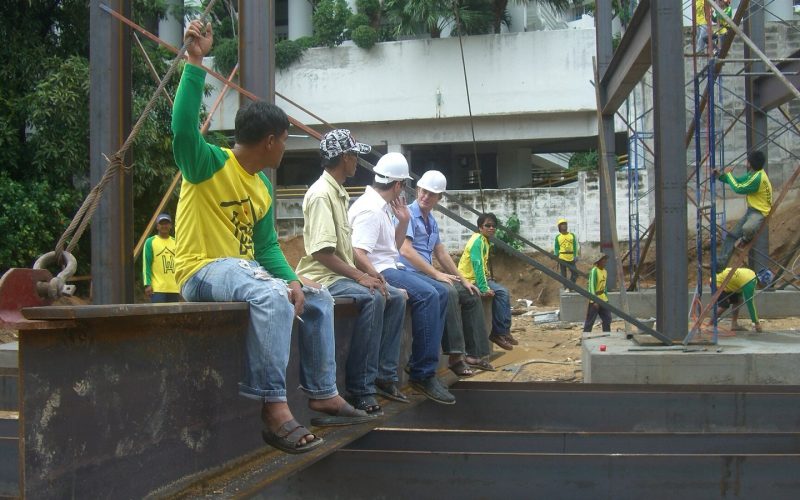
Flat-for-land and revenue-sharing deals bring private contractors into the process. The Turkish-language photo gallery on the website of Egemen Mustafa Sener, which labels its subject a construction businessman and contractor, captions images of construction sites, plan reviews and residential projects, and the site lists urban renewal among its areas of activity.
Who pays
Financing is the pressure point. Under the ministry’s Yarısı Bizden (“Half From Us”) campaign, Habertürk reported, homeowners have been offered an 875,000-lira grant, an 875,000-lira low-interest loan and 125,000 lira in moving support. The campaign has taken in 376,212 units.
A package launched in April adds loans of up to 3 million lira, with no repayments for the first 12 months and terms of up to 180 months. The Urban Transformation Presidency runs it with the World Bank under the Climate and Disaster Resilient Cities Project.
Why it matters
Istanbul is the largest test. It accounts for about half of the country’s urban transformation projects, according to ministry data cited by bianet. Of the city’s 1.27 million units, Habertürk reported that 998,000 have been completed and 276,000 were still in progress across 39 districts as of July.
Affordability is the main objection. Bianet reported in July on homeowners in Istanbul’s Avcılar district facing rebuilding costs that a resident said state support does not cover, and on a study by the Istanbul Planning Agency that concluded comprehensive transformation of the city is not achievable under the current financing model. The ministry says its practice of cutting electricity, water and gas to risky buildings is meant to protect life and keep people from living in them.
What to watch
Reconstruction in the earthquake zone is still drawing outside finance. On June 30, the World Bank approved a €250 million additional loan that, with €150 million from the Agence Française de Développement, brings total financing to €400 million. The program is to build 3,000 additional rural homes for families still living in temporary shelters, providing homes for an additional 10,470 people.
The caveats
The Istanbul totals come from press reporting, and the Habertürk article does not name a single source for them, so they are best read as reported rather than audited figures. The World Bank damage estimate was a rapid assessment that excludes wider economic losses, and the bank said recovery and reconstruction costs could be twice as large.